



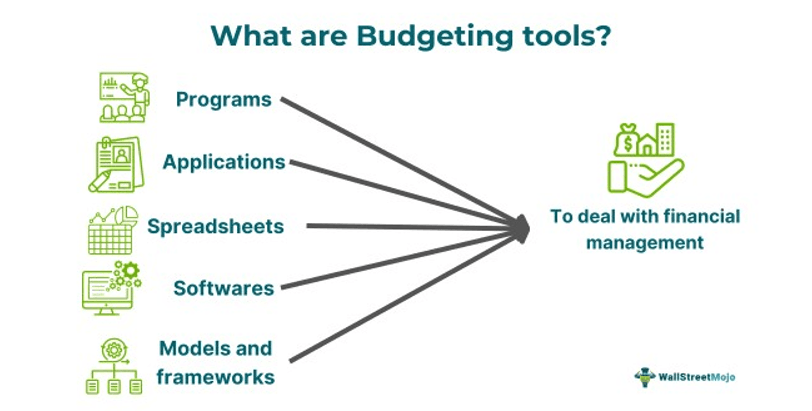
Managing personal finances has become increasingly important in today’s fast-paced and uncertain economic environment. With rising living costs, multiple income streams, digital payments, and subscription-based services, keeping track of money manually is no longer easy. This is where budgeting tools for personal finance play a crucial role. These tools help individuals plan, monitor, and optimize their spending while working toward savings and financial goals.
Budgeting tools are designed to give clarity about income, expenses, debts, and savings. Whether you are a student, salaried employee, freelancer, or business owner, using the right budgeting tool can significantly improve your financial health. This article explores the top budgeting tools for personal finance, their benefits, and how they help users take control of their money.
Importance of Budgeting Tools in Personal Finance

Budgeting is the foundation of financial stability. Without a clear budget, people often overspend, accumulate unnecessary debt, and struggle to save money. Budgeting tools simplify this process by organizing financial data in one place and providing real-time insights into spending patterns.
One of the biggest advantages of budgeting tools is awareness. Many people are unaware of where their money goes each month. Budgeting tools categorize expenses such as rent, groceries, entertainment, and transportation, making it easier to identify problem areas. By visualizing spending habits, users can make smarter financial decisions.
Another key benefit is goal tracking. Whether the goal is building an emergency fund, paying off debt, or saving for a vacation, budgeting tools help users stay focused and motivated. They allow users to set financial goals and track progress over time.
Digital Budgeting Apps for Personal Finance
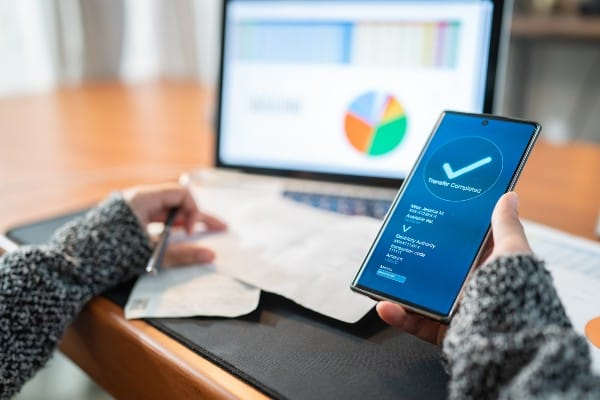
Digital budgeting apps are among the most popular tools for managing personal finances. These apps are usually available on smartphones and desktops, making them highly accessible. They automatically track income and expenses, which reduces the effort required for manual calculations.
Most budgeting apps allow users to create monthly budgets, categorize expenses, and receive alerts when spending exceeds limits. This real-time monitoring helps prevent overspending and encourages disciplined financial behavior.
Another important feature of budgeting apps is data visualization. Charts, graphs, and summaries make financial information easier to understand. Instead of looking at long lists of numbers, users can quickly analyze trends and adjust their budgets accordingly.
Spreadsheet-Based Budgeting Tools
Spreadsheet budgeting tools are ideal for individuals who prefer full control and customization. These tools allow users to manually enter income and expenses using spreadsheet software. While they require more effort than automated apps, they offer flexibility that many users appreciate.
Spreadsheets are especially useful for people with irregular income or complex financial situations. Users can create customized categories, formulas, and reports tailored to their specific needs. Spreadsheet budgeting tools are also useful for long-term financial planning, such as projecting savings growth or debt repayment schedules.
Another advantage of spreadsheet budgeting is privacy. Since data is stored locally, users do not have to worry about sharing financial information with third-party platforms.
Envelope Budgeting Tools
Envelope budgeting is a traditional method that has been adapted into modern tools. The concept is simple: income is divided into categories, and each category has a spending limit. Once the limit is reached, no more spending is allowed in that category.
Digital envelope budgeting tools bring this method into the modern age by allowing users to assign virtual envelopes for expenses like groceries, rent, and entertainment. These tools are particularly effective for people who struggle with impulse spending, as they create strict boundaries.
Envelope budgeting tools promote financial discipline and conscious spending. They encourage users to prioritize needs over wants and avoid unnecessary expenses.
Expense Tracking Tools
Expense tracking tools focus specifically on monitoring daily spending. These tools are ideal for individuals who want to understand their spending habits before creating a full budget. By tracking every expense, users gain valuable insights into where their money is going.
Expense tracking tools often include features such as receipt recording, expense categorization, and daily summaries. Over time, this data helps users identify spending patterns and make informed decisions about budget adjustments.
These tools are especially useful for beginners who are new to personal finance management. Once spending habits are clearly understood, users can move on to more advanced budgeting tools.
Budgeting Tools for Debt Management
Debt is a major financial challenge for many individuals. Budgeting tools designed for debt management help users create structured repayment plans. These tools calculate how much money should be allocated toward debt payments while still covering essential expenses.
Debt-focused budgeting tools often support strategies such as prioritizing high-interest debt or evenly distributing payments. By visualizing progress, users remain motivated to stay consistent with repayments.
Effective debt management tools also help prevent future debt by encouraging responsible spending and savings habits.
Budgeting Tools for Couples and Families
Managing finances as a couple or family adds another layer of complexity. Budgeting tools designed for shared finances allow multiple users to access the same budget. This promotes transparency and communication about money matters.
These tools help families plan household expenses, savings goals, and long-term investments together. By aligning financial priorities, couples and families can reduce conflicts related to money and work toward shared goals.
Shared budgeting tools also make it easier to track joint expenses and ensure accountability among all members.
Budgeting Tools for Long-Term Financial Planning
Long-term financial planning requires a broader perspective than monthly budgeting. Tools designed for long-term planning help users project future income, expenses, and savings. These tools are useful for retirement planning, education savings, and major life events.
By analyzing current financial behavior and projecting future scenarios, long-term budgeting tools help users make informed decisions today that will benefit them in the future.
Such tools emphasize the importance of consistency and patience in achieving financial security.
Key Features to Look for in Budgeting Tools
When choosing a budgeting tool for personal finance, it is important to consider key features that align with individual needs. Ease of use is one of the most important factors. A tool that is too complex may discourage regular use.
Customization is another essential feature. Everyone’s financial situation is different, so the ability to adjust categories and budgets is crucial. Security is also a major concern, especially for digital tools that store financial data.
Reporting and insights are valuable features that help users understand their financial progress. Tools that provide summaries, trends, and recommendations can greatly enhance financial awareness.
Benefits of Using Budgeting Tools Consistently
Consistency is the key to successful budgeting. Using budgeting tools regularly helps users stay disciplined and accountable. Over time, consistent use leads to improved savings, reduced debt, and better financial confidence.
Budgeting tools also reduce financial stress by providing clarity and control. Knowing exactly where money is going eliminates uncertainty and anxiety related to finances.
Another long-term benefit is improved decision-making. With accurate financial data, users can make smarter choices about spending, investing, and saving.
Challenges and Limitations of Budgeting Tools
Despite their benefits, budgeting tools are not without challenges. Some users may find it difficult to maintain regular updates, especially with manual tools. Others may feel overwhelmed by too much data.
It is important to remember that budgeting tools are only effective when used correctly. They do not replace financial discipline but rather support it. Users must remain committed to their financial goals for these tools to be truly effective.
Choosing the wrong tool can also be a challenge. What works for one person may not work for another. It is important to select a budgeting tool that matches lifestyle, income, and financial goals.
Conclusion
Budgeting tools for personal finance are powerful resources that help individuals take control of their money. From digital apps and spreadsheets to envelope systems and expense trackers, there are many options available to suit different financial needs.
The top budgeting tools for personal finance provide clarity, structure, and motivation. They help users understand their spending habits, set realistic goals, and build healthier financial habits over time. While no tool can guarantee financial success on its own, consistent use combined with discipline can lead to long-term financial stability and peace of mind.
By choosing the right budgeting tool and using it regularly, anyone can improve their personal finance management and work toward a more secure financial future.
