



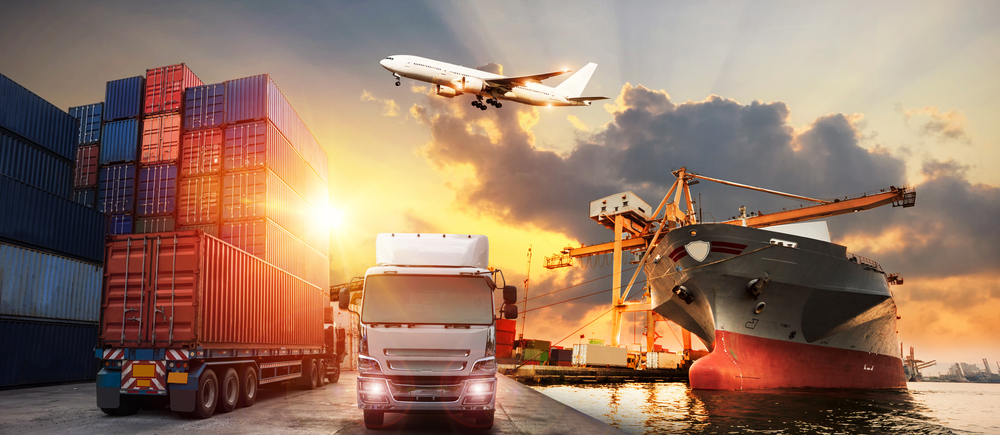
Global trade, often referred to as international trade, is the exchange of goods and services across international borders. Over centuries, it has evolved from basic barter systems to complex networks involving billions of dollars and multiple countries. Global trade plays a crucial role in shaping economies, influencing employment, driving innovation, and improving standards of living. In this article, we will explore the significance, history, mechanisms, challenges, and future of global trade.
The Importance of Global Trade
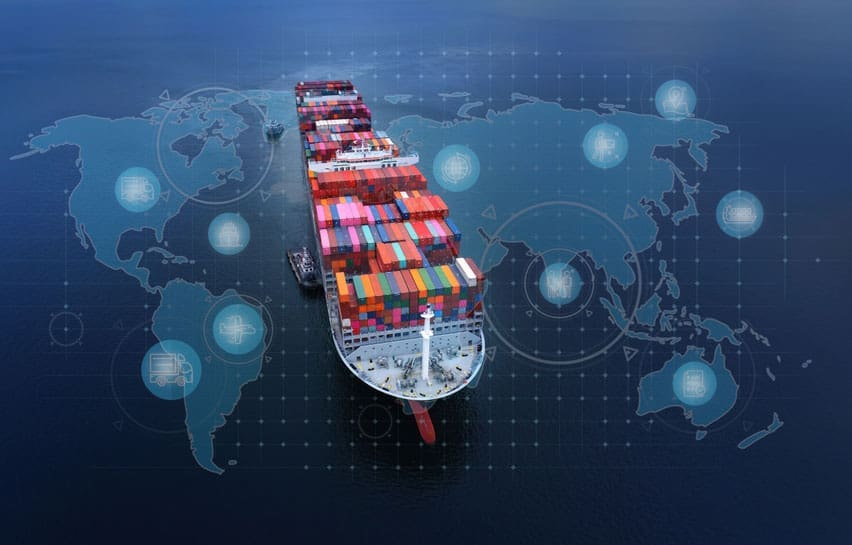
Global trade is a fundamental driver of economic growth. By allowing countries to specialize in producing goods and services they can produce most efficiently, trade creates a system of mutual benefit. For example, countries with abundant natural resources can export raw materials, while countries with advanced manufacturing capabilities can export finished products. This specialization promotes efficiency, reduces production costs, and ensures consumers have access to a diverse range of goods.
Trade also encourages competition, which stimulates innovation and technological progress. Companies competing on a global scale invest in research and development to create superior products and services. This innovation improves productivity and can lead to more environmentally friendly production methods. Additionally, global trade fosters cultural exchange, as products and services carry ideas, traditions, and values from one region to another.
A Brief History of Global Trade
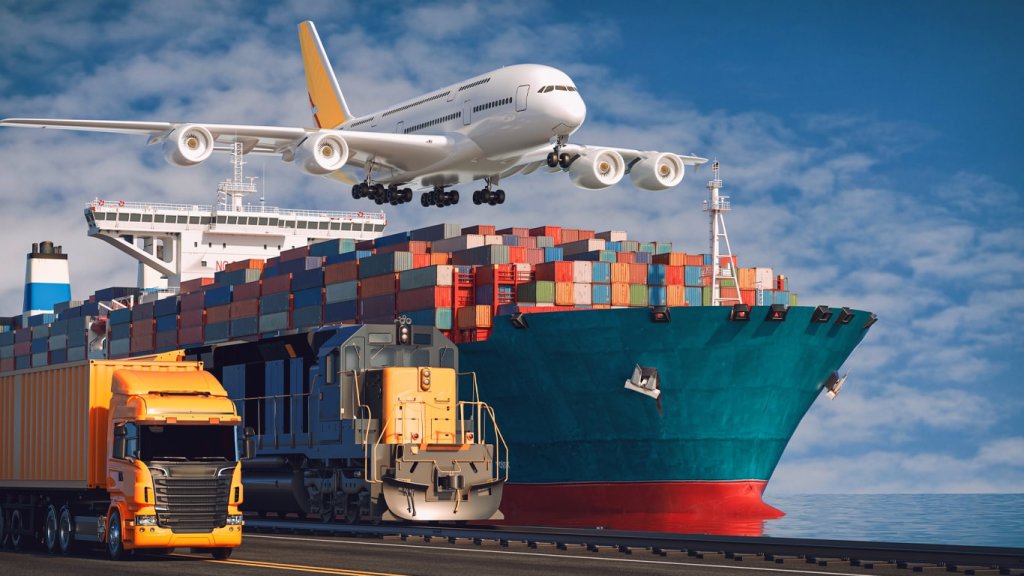
Global trade has existed in some form for thousands of years. Ancient trade routes, such as the Silk Road, connected Asia, Europe, and the Middle East, allowing the exchange of silk, spices, and precious metals. These early trade networks laid the foundation for globalization, as they created economic interdependencies between distant regions.
During the Age of Exploration in the 15th and 16th centuries, European powers expanded trade networks to include Africa, the Americas, and Asia. This period saw the rise of colonial empires and the establishment of maritime trade routes. Raw materials like sugar, tobacco, and cotton were transported to Europe, while manufactured goods and technological innovations were exported to colonies.
The Industrial Revolution in the 18th and 19th centuries further transformed global trade. Mechanized production and advances in transportation, such as steamships and railways, enabled large-scale trade between continents. Industrialized nations became major exporters of manufactured goods, while colonies often served as suppliers of raw materials.
In the modern era, global trade has become even more interconnected due to advancements in technology, transportation, and communication. The establishment of international organizations and trade agreements has facilitated smoother, more predictable trade relations between countries.
Mechanisms of Global Trade
Global trade occurs through a variety of mechanisms, including exports, imports, and foreign investment. Exports are goods and services sold by one country to another, generating income and contributing to economic growth. Imports, on the other hand, allow countries to access products not available domestically, enhancing consumer choice and promoting competition.
Multinational corporations play a significant role in global trade. These companies operate in multiple countries, producing and distributing goods and services worldwide. Their operations can create employment opportunities, transfer technology, and stimulate local economies.
Trade agreements and international organizations are essential for regulating global trade. Agreements such as free trade zones reduce tariffs and other barriers, making it easier for countries to exchange goods and services. Organizations that oversee trade rules help ensure fair competition and resolve disputes between nations.
Benefits of Global Trade
The benefits of global trade are numerous. Economically, it promotes growth by opening new markets for businesses and creating jobs. Countries can focus on producing goods and services in which they have a comparative advantage, increasing overall efficiency. Consumers benefit from lower prices and a wider variety of products.
Socially, global trade encourages cultural exchange and fosters international cooperation. It allows people to access products, ideas, and technologies from different parts of the world, promoting understanding and collaboration. For example, foods, music, clothing, and entertainment from one country can become popular globally, enriching cultural experiences.
Moreover, global trade can drive technological advancement. Companies operating in competitive international markets invest in innovation to improve products, reduce costs, and meet global standards. These innovations often spill over into other industries and regions, benefiting broader societies.
Challenges and Risks
Despite its advantages, global trade also presents challenges. Economic inequality is a significant concern, as some countries or regions may benefit more than others. Developing countries often face difficulties competing with industrialized nations, leading to trade imbalances.
Trade dependence is another risk. Countries relying heavily on imports for essential goods may face shortages or price spikes during global crises. The COVID-19 pandemic highlighted this vulnerability, as disruptions in supply chains affected industries worldwide.
Environmental impact is a growing concern in global trade. Transporting goods across long distances contributes to greenhouse gas emissions, while resource extraction can lead to environmental degradation. Sustainable trade practices are increasingly emphasized to mitigate these effects.
Political tensions can also affect trade. Tariffs, sanctions, and trade wars disrupt global markets and can slow economic growth. Maintaining stable and cooperative international relations is essential for a healthy trade environment.
The Future of Global Trade
The future of global trade is shaped by technology, sustainability, and geopolitical shifts. Advances in digital technology, including e-commerce and blockchain, are transforming the way goods and services are exchanged. Digital platforms allow small businesses to access international markets, democratizing trade opportunities.
Sustainability is becoming a key focus. Countries and companies are exploring greener production methods, efficient transportation, and ethical sourcing to reduce environmental impact. Consumer awareness and demand for sustainable products are driving this change.
Geopolitical developments will also influence trade patterns. Emerging economies are becoming significant players in global markets, while traditional trade powers adapt to new challenges. Trade alliances and regional partnerships may grow in importance, shaping global economic dynamics.
Automation and artificial intelligence are expected to change manufacturing and logistics, increasing efficiency but potentially disrupting labor markets. Countries and companies must adapt to these technological shifts to remain competitive in the global trade landscape.
Conclusion
Global trade is more than just the exchange of goods and services; it is a powerful force shaping economies, cultures, and societies worldwide. By promoting efficiency, innovation, and cooperation, trade has the potential to enhance living standards and foster international understanding. However, it also comes with challenges, including inequality, environmental impact, and political risks.
As the world becomes increasingly interconnected, global trade will continue to evolve. Embracing technology, sustainability, and collaboration will be crucial to ensuring that the benefits of trade are widely shared. By understanding its mechanisms, history, and implications, we can appreciate global trade not only as an economic activity but as a driver of human progress.
