



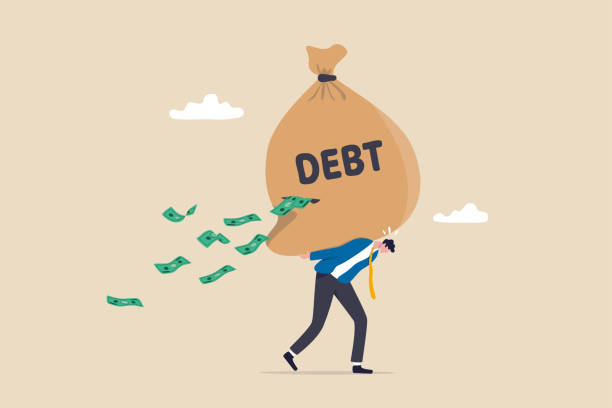
Debt has become a common part of modern life. Whether it is a credit card balance, a personal loan, or a mortgage, borrowing money allows individuals to meet immediate needs or achieve long-term goals. However, mismanaged debt can lead to financial stress, damaged credit, and even legal problems. This is where debt management comes into play. Debt management is the process of controlling, organizing, and systematically paying off loans or credit in a way that reduces financial strain and promotes financial stability. In this article, we will explore the principles of debt management, strategies for paying off debt, and tips to maintain financial health.
Understanding Debt
Debt is essentially money that is borrowed with an agreement to repay it, usually with interest. There are various types of debt, each with its own characteristics:
- Secured Debt: Loans backed by collateral, such as a house or car. Mortgages and car loans are common examples. If the borrower defaults, the lender can take the collateral.
- Unsecured Debt: Loans that are not backed by collateral, such as credit cards, medical bills, or personal loans. Defaulting on unsecured debt can lead to higher interest rates, legal actions, or damaged credit scores.
- Revolving Debt: Debt that allows continuous borrowing up to a certain limit, like credit cards. Payments vary depending on usage and interest rates.
- Installment Debt: Debt that is repaid in fixed amounts over a specific period, like student loans or personal loans.
Understanding the type and terms of your debt is the first step toward effective debt management. Knowing interest rates, payment schedules, and penalties can help you create a realistic plan to control and reduce your debt.
Importance of Debt Management
Proper debt management is crucial for several reasons:
- Avoiding Financial Stress: Accumulating debt without a repayment plan can lead to anxiety, sleepless nights, and stress in personal relationships.
- Protecting Credit Score: Timely repayment ensures a healthy credit score, which is essential for future loans, mortgages, or even job applications in some cases.
- Reducing Interest Payments: Strategically paying off high-interest debt first can save significant amounts of money in interest over time.
- Achieving Financial Goals: Controlling debt allows you to save, invest, and plan for important life events, such as buying a home, education, or retirement.
Steps to Effective Debt Management
Managing debt requires a structured approach. Here are some key steps:
1. Assess Your Debt
Begin by listing all your debts, including balances, interest rates, and monthly minimum payments. Categorize them by type, such as secured, unsecured, revolving, and installment debt. This gives you a clear picture of your financial obligations.
2. Create a Budget
A budget is essential to control spending and allocate funds for debt repayment. Track your income and expenses to identify areas where you can cut costs. Make a realistic monthly plan that prioritizes essential expenses and debt payments.
3. Prioritize Debts
Not all debts are equal. Focus on:
- High-Interest Debt: Credit cards and payday loans often carry high interest. Paying these first reduces overall debt faster.
- Secured Debt: Ensure timely payments on loans backed by collateral to avoid losing valuable assets.
- Small Debts: Some prefer paying off small balances first to gain a sense of achievement and motivation.
Two popular repayment methods are:
- Debt Snowball: Pay off the smallest debt first while making minimum payments on larger debts. This builds momentum.
- Debt Avalanche: Pay off debts with the highest interest rates first, saving more money in the long term.
4. Negotiate with Creditors
If debt becomes overwhelming, consider contacting creditors to negotiate:
- Lower interest rates
- Extended repayment terms
- Consolidation options
Many creditors are willing to work with borrowers to avoid defaults, which can be mutually beneficial.
5. Consider Debt Consolidation
Debt consolidation involves combining multiple debts into a single loan with a lower interest rate. This simplifies repayment and may reduce monthly payments. Options include personal loans, balance transfer credit cards, or debt consolidation programs.
6. Avoid New Debt
While managing existing debt, it is crucial to avoid accumulating new debt. Limit credit card usage, defer non-essential loans, and focus on living within your means.
7. Build an Emergency Fund
Unexpected expenses, like medical bills or car repairs, can derail debt repayment plans. Creating an emergency fund of at least three to six months’ living expenses can prevent additional debt accumulation.
8. Seek Professional Help
If debt is unmanageable, professional help from a certified financial advisor or credit counselor can provide tailored strategies and guidance. They can help create a repayment plan and offer insights to improve financial habits.
Tips for Successful Debt Management
- Track Your Progress: Regularly review your debt balances and payment history to stay motivated.
- Automate Payments: Set up automatic payments to avoid late fees and missed payments.
- Reduce Unnecessary Expenses: Cut back on non-essential spending, such as dining out, subscriptions, and luxury items.
- Increase Income: Explore side jobs or freelance work to generate additional funds for debt repayment.
- Educate Yourself: Financial literacy is crucial. Understanding interest rates, credit scores, and budgeting improves decision-making.
Common Mistakes to Avoid
- Ignoring Debt: Avoiding bills or credit statements worsens the situation with added fees and penalties.
- Making Only Minimum Payments: Paying only the minimum prolongs debt repayment and increases interest costs.
- Using Debt to Pay Debt: Relying on new loans to cover old debt can lead to a debt spiral.
- Neglecting Financial Planning: Without budgeting and planning, it’s easy to fall back into debt.
Benefits of Effective Debt Management
When debt is managed properly, it brings numerous benefits:
- Financial Freedom: Less financial stress and more control over income and expenses.
- Better Credit Score: Timely payments enhance creditworthiness for future loans.
- Savings Growth: Reduced interest payments allow more money to be saved or invested.
- Peace of Mind: Knowing you have a structured plan provides mental relief and security.
Conclusion
Debt management is not merely about paying off loans; it is about taking control of your financial life. By assessing your debts, budgeting wisely, prioritizing repayments, and avoiding new debt, you can reduce financial stress and work toward long-term stability. The key is to be disciplined, proactive, and informed about your financial obligations. Remember, managing debt is a gradual process that requires patience and consistency, but the rewards—financial freedom, peace of mind, and a healthier credit profile—are well worth the effort.
Taking small, consistent steps today can pave the way for a debt-free and financially secure future.
