



Starting a business is an exciting yet challenging journey. Many entrepreneurs dream of seeing their startup grow rapidly, but achieving sustainable growth requires strategic planning, execution, and continuous adaptation. Business growth is not merely about increasing revenue; it involves scaling operations, expanding market presence, improving customer satisfaction, and building a resilient organizational structure. For startups, adopting the right growth strategies can make the difference between long-term success and failure. In this article, we will explore essential business growth strategies for startups that can help turn small ventures into thriving enterprises.
Understanding the Startup Growth Challenge
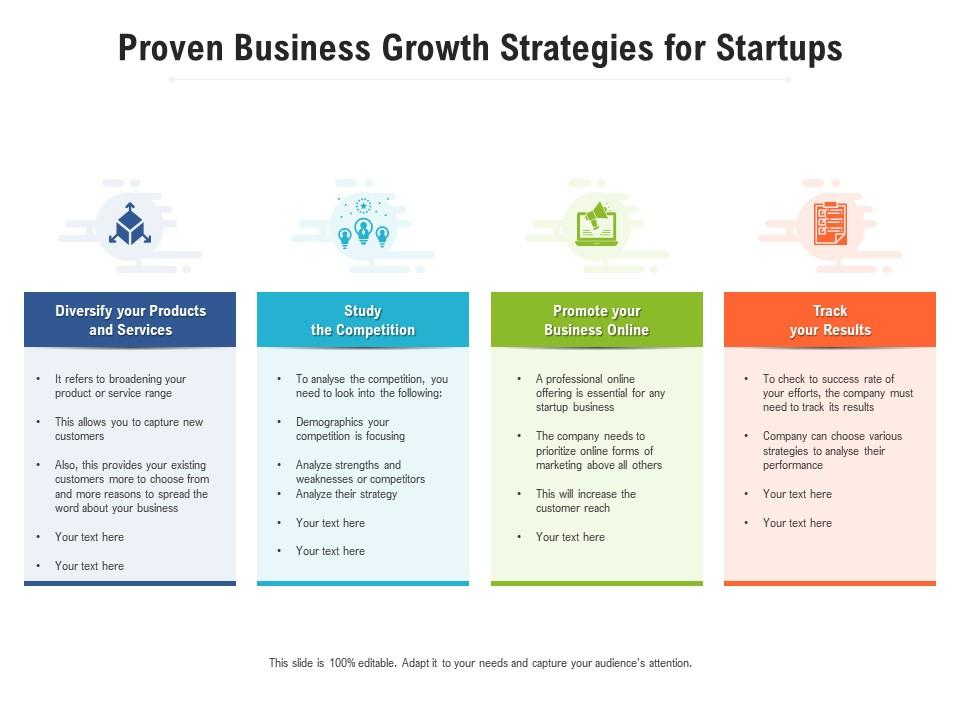
Startups operate in highly competitive and dynamic environments. Unlike established companies, they often have limited resources, minimal brand recognition, and smaller customer bases. These constraints make it crucial for startups to focus on strategies that maximize impact while minimizing waste. Growth for a startup is not just about acquiring more customers but also about creating a scalable and sustainable business model. Entrepreneurs must focus on efficiency, innovation, and differentiation to achieve meaningful growth.
1. Define a Clear Value Proposition
The first step in driving growth is having a clear and compelling value proposition. A value proposition communicates what makes your product or service unique, why customers should choose it over competitors, and the specific problem it solves. Startups that fail to define a strong value proposition often struggle to attract and retain customers.
- Identify Customer Pain Points: Understand the problems your target audience faces and how your solution addresses them.
- Communicate Benefits Clearly: Highlight the tangible benefits and outcomes customers will experience.
- Differentiate from Competitors: Ensure your offering stands out in a crowded market.
A well-defined value proposition not only helps attract customers but also guides marketing, sales, and product development strategies.
2. Focus on Customer Acquisition and Retention
Customer acquisition and retention are central to business growth. While acquiring new customers is important, retaining existing customers often provides a higher return on investment.
- Use Targeted Marketing: Tailor your marketing campaigns to reach the right audience through digital marketing, social media, and content marketing.
- Build Strong Customer Relationships: Engage with customers through personalized communication, feedback mechanisms, and excellent customer service.
- Implement Loyalty Programs: Reward repeat customers with incentives such as discounts, referral bonuses, or exclusive offers.
Startups that balance acquisition and retention strategies are better positioned for long-term growth.
3. Adopt a Scalable Business Model
Scalability is critical for sustainable growth. A scalable business model allows a company to increase revenue without a proportional increase in costs.
- Streamline Operations: Automate repetitive tasks and optimize workflows to reduce operational inefficiencies.
- Leverage Technology: Use software tools for customer relationship management, accounting, and project management to improve efficiency.
- Plan for Expansion: Design your processes so that they can handle growth without compromising quality or customer experience.
A scalable model enables startups to grow rapidly without overextending their resources.
4. Innovate Continuously
Innovation is the lifeblood of startup growth. Markets evolve quickly, and customer preferences change frequently. Startups that fail to innovate risk becoming obsolete.
- Invest in Research and Development: Explore new products, features, or services that meet emerging customer needs.
- Encourage a Culture of Innovation: Empower employees to contribute ideas and experiment with new approaches.
- Monitor Competitor Trends: Keep an eye on competitors to identify opportunities for differentiation.
Continuous innovation helps startups stay relevant, attract customers, and maintain a competitive edge.
5. Build a Strong Brand
Branding is more than just a logo or tagline; it is the perception customers have of your company. A strong brand fosters trust, loyalty, and recognition, which are essential for growth.
- Develop a Consistent Brand Identity: Ensure your messaging, visuals, and tone are consistent across all channels.
- Tell Your Story: Share your mission, values, and journey to create emotional connections with customers.
- Engage on Social Media: Use social platforms to communicate your brand personality and build a community.
A recognizable and trusted brand can accelerate growth by attracting new customers and retaining existing ones.
6. Expand Market Reach
Expanding your market reach allows startups to tap into new customer segments and geographical areas. Growth is often accelerated when a startup moves beyond its initial market.
- Explore New Demographics: Identify untapped customer segments who may benefit from your offerings.
- Consider Geographic Expansion: Expand to new cities, regions, or countries to increase market presence.
- Form Strategic Partnerships: Collaborate with other businesses to reach new audiences and create joint offerings.
Strategic expansion helps startups diversify revenue streams and reduce dependency on a single market.
7. Optimize Pricing Strategy
Pricing is a crucial lever for growth. Startups must carefully balance profitability with customer perception and market demand.
- Understand Customer Willingness to Pay: Conduct market research to determine optimal pricing levels.
- Experiment with Pricing Models: Consider subscription plans, tiered pricing, or value-based pricing to maximize revenue.
- Monitor Competitor Pricing: Stay competitive while maintaining healthy profit margins.
A well-planned pricing strategy can increase sales, attract new customers, and improve long-term sustainability.
8. Leverage Data for Decision-Making
Data-driven decision-making enables startups to make informed choices, identify opportunities, and mitigate risks.
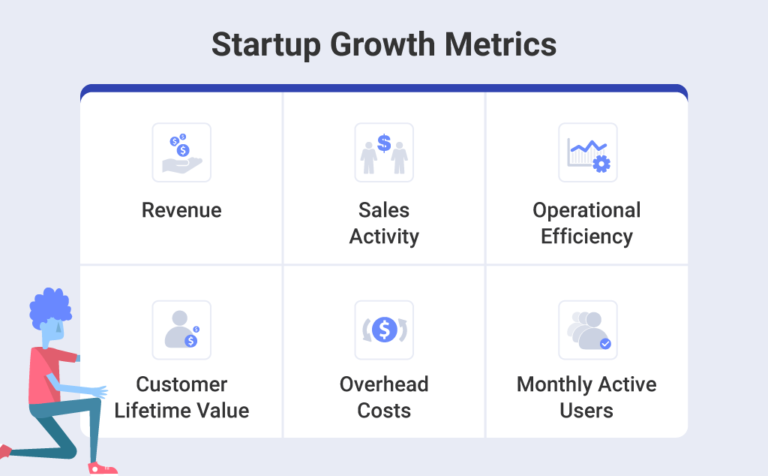
- Track Key Metrics: Monitor sales, customer acquisition cost, churn rate, and other performance indicators.
- Analyze Customer Behavior: Understand how customers interact with your product or service to improve offerings.
- Refine Strategies: Use insights from data to adjust marketing, operations, and product strategies.
Startups that harness the power of data are more agile and better equipped to scale efficiently.
9. Build a Strong Team
A startup’s growth depends heavily on the people behind it. A skilled, motivated, and aligned team can drive innovation, execute strategies, and deliver excellent customer experiences.
- Hire the Right Talent: Focus on skills, cultural fit, and adaptability.
- Encourage Continuous Learning: Offer training and development opportunities to enhance employee capabilities.
- Foster a Collaborative Culture: Promote teamwork, communication, and shared accountability.
A strong team is a startup’s greatest asset, enabling it to overcome challenges and achieve growth objectives.
10. Secure Adequate Funding
Funding is often essential for scaling operations, launching marketing campaigns, and expanding into new markets. Startups must manage finances strategically to support growth.
- Bootstrap Wisely: Use internal resources efficiently before seeking external funding.
- Seek Investors Strategically: Choose investors who bring not only capital but also expertise, mentorship, and networks.
- Maintain Financial Discipline: Monitor cash flow, control costs, and plan for contingencies.
Adequate funding allows startups to invest in growth initiatives without compromising operational stability.
11. Focus on Customer Experience
A positive customer experience drives repeat business, referrals, and brand advocacy. Startups that prioritize customer satisfaction often see faster growth.
- Simplify the Customer Journey: Make it easy for customers to find, purchase, and use your product or service.
- Respond Promptly: Address customer queries, complaints, and feedback quickly and professionally.
- Exceed Expectations: Deliver surprises, added value, and personalized experiences that delight customers.
By focusing on the customer experience, startups can foster loyalty and create organic growth through word-of-mouth.
12. Embrace Agility and Adaptability
Startups operate in uncertain environments. Flexibility and adaptability are essential to respond to market changes, competitor actions, and customer preferences.
- Experiment and Iterate: Test new ideas quickly and refine them based on results.
- Monitor Market Trends: Stay informed about emerging opportunities and potential threats.
- Pivot When Necessary: Be willing to adjust your business model, product, or strategy to align with evolving circumstances.
Agile startups can seize opportunities and navigate challenges more effectively than rigid competitors.
Conclusion
Business growth for startups is a multifaceted endeavor that requires strategy, creativity, and discipline. By defining a clear value proposition, acquiring and retaining customers, adopting scalable models, innovating continuously, and building a strong brand and team, startups can accelerate their growth trajectory. Additionally, leveraging data, optimizing pricing, expanding markets, securing funding, and focusing on customer experience are key pillars that support sustainable growth. Success is rarely instantaneous; it requires consistent effort, learning from failures, and adapting to changing circumstances. Startups that embrace these strategies are better positioned to transform their initial vision into a thriving, long-term enterprise.
