




Entrepreneurship has always been a field filled with excitement, innovation, and opportunity. For beginners, the journey may seem challenging, but developing the right skills early on can significantly increase the chances of success. Entrepreneurship is more than just starting a business; it is a mindset that embraces creativity, problem-solving, resilience, and continuous learning. In this article, we will explore the essential entrepreneurship skills for beginners, how to cultivate them, and why they are crucial for building a successful venture.
Understanding Entrepreneurship

Before diving into the skills themselves, it is important to understand what entrepreneurship truly involves. An entrepreneur identifies opportunities in the market, creates solutions, and takes calculated risks to transform ideas into profitable ventures. Entrepreneurship is not only about financial gain but also about creating value, impacting communities, and fostering innovation.
For beginners, understanding the nature of entrepreneurship helps in setting realistic expectations. Success does not happen overnight. It requires dedication, patience, and a willingness to learn from failures. Building a strong foundation of skills can make the journey smoother and more rewarding.
1. Critical Thinking and Problem-Solving
One of the most essential skills for any entrepreneur is critical thinking. The ability to analyze situations, identify challenges, and devise effective solutions is vital in business. Entrepreneurs constantly face uncertainties, from market fluctuations to operational hurdles. Being able to think critically allows you to make informed decisions, anticipate potential problems, and adapt strategies accordingly.
Problem-solving goes hand-in-hand with critical thinking. An entrepreneur must be proactive rather than reactive. Instead of seeing obstacles as roadblocks, view them as opportunities to innovate. Beginners can develop these skills by practicing analytical thinking, engaging in case studies, and seeking feedback on their ideas.
2. Communication Skills
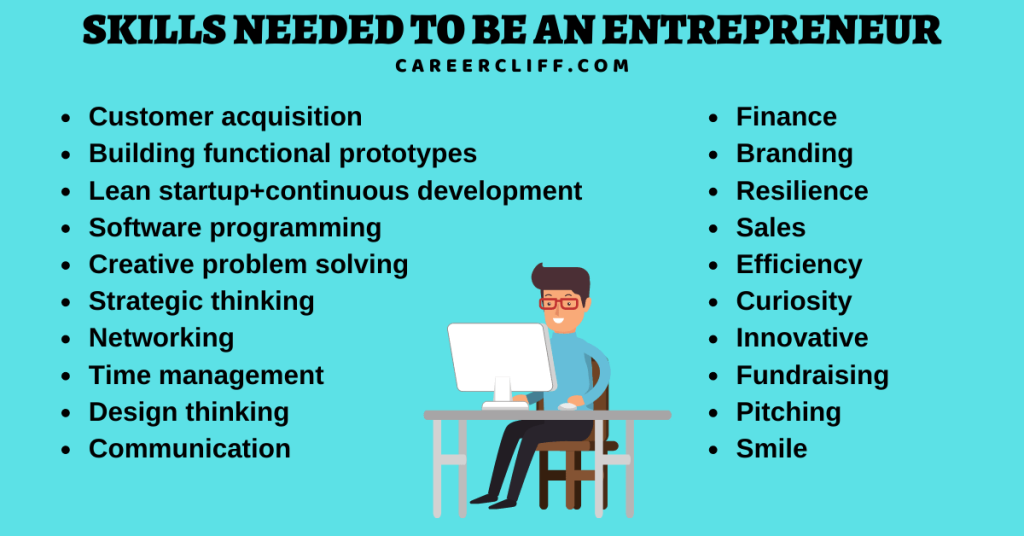
Communication is the bridge between ideas and execution. Entrepreneurs must convey their vision clearly to stakeholders, team members, customers, and investors. Effective communication includes both verbal and written skills, as well as active listening.
For beginners, improving communication skills can start with small steps. Presenting ideas in front of a group, networking with professionals, and even writing about your business ideas can help refine your ability to express thoughts clearly. Remember, a great idea alone is not enough; how you communicate it can make all the difference.
3. Leadership and Team Management
Even if you start a business alone, leadership skills are crucial. Entrepreneurs need to inspire, motivate, and guide their team towards achieving shared goals. Leadership involves setting a vision, delegating tasks, and creating a productive work environment.
For beginners, leadership can be learned through experience and observation. Volunteering for leadership roles in projects, taking part in group activities, or studying successful business leaders can provide valuable insights. A good leader listens to their team, encourages collaboration, and adapts to challenges with confidence.
4. Financial Literacy
Understanding finances is a fundamental skill for entrepreneurs. Financial literacy involves knowing how to manage budgets, calculate profits and losses, analyze investments, and make cost-effective decisions. Without financial knowledge, even the most innovative ideas can fail due to poor management.
Beginners should start by learning the basics of accounting, budgeting, and financial planning. Familiarity with financial statements and key performance indicators (KPIs) allows entrepreneurs to monitor their business health and make strategic decisions. Financial literacy also builds confidence when negotiating with investors or securing funding.
5. Marketing and Sales Skills
A great product or service is useless if people don’t know about it. Marketing and sales skills are essential for promoting your business, attracting customers, and generating revenue. Entrepreneurs must understand customer behavior, market trends, and effective strategies to reach their target audience.
Beginners can develop marketing skills by studying digital marketing, social media strategies, and branding techniques. Learning to sell involves not just convincing customers but understanding their needs and offering solutions that add value. Building these skills early can give new entrepreneurs a competitive edge in the market.
6. Time Management and Organization
Time is one of the most valuable resources for any entrepreneur. Efficient time management ensures that tasks are completed on schedule, goals are met, and priorities are handled effectively. Organization skills, such as planning, scheduling, and tracking progress, are equally important.
Beginners can enhance these skills by creating daily routines, setting achievable goals, and using tools like calendars and task managers. Learning to prioritize high-impact activities over less important tasks ensures that your efforts are focused on growth and productivity.
7. Adaptability and Resilience
The entrepreneurial journey is filled with uncertainties. Markets change, consumer preferences evolve, and unexpected challenges arise. Adaptability is the ability to adjust strategies, learn new skills, and embrace change. Resilience is the capacity to recover from setbacks and stay motivated despite difficulties.
Beginners can build adaptability and resilience by maintaining a positive mindset, seeking mentorship, and learning from failures rather than fearing them. Developing these qualities helps entrepreneurs stay flexible, make informed decisions under pressure, and persist through challenging times.
8. Networking and Relationship Building
No entrepreneur succeeds alone. Building a strong network of mentors, peers, investors, and customers is essential. Networking opens doors to opportunities, partnerships, and valuable advice. Relationship-building skills help maintain trust, collaboration, and long-term business growth.
Beginners can start networking by attending industry events, joining professional groups, and engaging in online communities. Genuine connections, built on trust and mutual benefit, can provide guidance, resources, and support throughout the entrepreneurial journey.
9. Creativity and Innovation
Entrepreneurship thrives on creativity. Innovative ideas differentiate successful businesses from competitors. Creativity allows entrepreneurs to identify gaps in the market, design unique solutions, and continuously improve products or services.
Beginners can enhance creativity by exploring diverse industries, reading extensively, brainstorming regularly, and embracing curiosity. Innovation is not limited to products—it can also apply to processes, marketing strategies, and customer experiences.
10. Decision-Making Skills
Entrepreneurs constantly make decisions that impact their business. Good decision-making requires analyzing information, evaluating alternatives, and understanding potential consequences. Avoiding indecision and making timely choices is crucial for maintaining momentum and seizing opportunities.
Beginners can practice decision-making by starting small, weighing pros and cons, and learning from outcomes. Over time, this skill becomes more intuitive and informed, helping entrepreneurs navigate complex situations with confidence.
Conclusion
Developing entrepreneurship skills for beginners is a continuous process. While knowledge and technical expertise are important, soft skills such as communication, leadership, and resilience are equally critical. Successful entrepreneurs combine these skills with passion, persistence, and a willingness to learn from experiences.
For anyone starting their entrepreneurial journey, focusing on skill development is an investment in the future. By mastering critical thinking, financial literacy, marketing, and other key abilities, beginners can lay a strong foundation for sustainable business growth. Remember, entrepreneurship is not just about creating a business—it’s about becoming a capable, confident, and innovative problem-solver who can turn ideas into reality.
