



Investing has become more accessible than ever before. With the rise of digital platforms, beginners can now start managing their investments with just a smartphone or computer. However, the wide variety of options can feel overwhelming for someone who is new to investing. This is where investment management tools for beginners play a crucial role. These tools help new investors plan, track, analyze, and optimize their investments with confidence and clarity.
This article explores what investment management tools are, why beginners need them, and the most important types of tools that can help new investors build a strong financial future.
What Are Investment Management Tools?
Investment management tools are digital or software-based solutions designed to help individuals manage their investments efficiently. These tools assist users in areas such as budgeting, portfolio tracking, risk assessment, asset allocation, and performance analysis.
For beginners, these tools simplify complex financial concepts and present data in an easy-to-understand format. Instead of manually calculating returns or tracking multiple assets, beginners can rely on these tools to make informed decisions.
Why Beginners Need Investment Management Tools
Starting an investment journey without guidance can lead to mistakes such as poor diversification, emotional decision-making, or lack of long-term planning. Investment management tools help beginners avoid these issues by providing structure and insight.
Key benefits include:
- Better understanding of investment performance
- Improved financial discipline
- Reduced emotional investing
- Clear goal setting and tracking
- Time-saving automation
For beginners who may lack financial knowledge, these tools act as a personal guide throughout the investment process.
Types of Investment Management Tools for Beginners
There are several types of investment management tools available, each serving a specific purpose. Understanding these categories helps beginners choose the right tools for their needs.
Portfolio Tracking Tools
Portfolio tracking tools allow beginners to monitor all their investments in one place. These tools show how different assets are performing over time and provide a clear picture of overall portfolio health.
They typically include features such as:
- Real-time portfolio value updates
- Asset allocation breakdown
- Profit and loss tracking
- Historical performance analysis
For beginners, portfolio trackers eliminate confusion and help them understand where their money is invested and how it is growing.
Budgeting and Financial Planning Tools
Before investing, beginners need a solid financial foundation. Budgeting and financial planning tools help users manage income, expenses, savings, and investments together.
These tools assist beginners by:
- Identifying disposable income for investing
- Setting monthly savings goals
- Tracking spending habits
- Preventing over-investment
By using budgeting tools, beginners can invest responsibly without affecting their daily financial needs.
Robo-Advisors
Robo-advisors are automated investment management platforms designed for simplicity. They are ideal investment management tools for beginners who want a hands-off approach.
Robo-advisors typically offer:
- Automated portfolio creation
- Risk assessment questionnaires
- Automatic rebalancing
- Long-term investment strategies
Beginners benefit from robo-advisors because they do not require deep market knowledge. The system manages investments based on the user’s goals and risk tolerance.
Risk Assessment Tools
Understanding risk is one of the biggest challenges for new investors. Risk assessment tools evaluate how much risk a beginner can handle based on financial goals, age, income, and market behavior.
These tools help beginners by:
- Explaining risk levels clearly
- Matching investments to risk tolerance
- Reducing chances of heavy losses
- Encouraging long-term thinking
With proper risk assessment, beginners can avoid investments that are too aggressive or unsuitable for their situation.
Asset Allocation Tools
Asset allocation refers to how investments are distributed across different asset classes such as stocks, bonds, and cash. Asset allocation tools guide beginners in building a balanced portfolio.
Key advantages include:
- Proper diversification
- Reduced investment risk
- Improved long-term returns
- Clear investment structure
For beginners, these tools simplify the process of deciding how much to invest in each asset category.
Investment Education Tools
Education is a vital part of successful investing. Many investment management tools for beginners include learning resources such as tutorials, simulations, and market explanations.
These tools support beginners by:
- Teaching basic investment concepts
- Explaining market trends
- Offering practice investment simulations
- Building confidence over time
With educational tools, beginners can learn while investing, making smarter decisions as they gain experience.
Performance Analysis Tools
Performance analysis tools help beginners evaluate how well their investments are doing compared to expectations. These tools present data in visual formats such as charts and summaries.
They allow beginners to:
- Measure returns over time
- Compare different investments
- Identify underperforming assets
- Adjust strategies when needed
This analysis helps beginners understand what works and what doesn’t in their investment strategy.
Goal-Based Investment Tools
Many beginners invest without clear goals, which can lead to frustration or poor decisions. Goal-based investment tools focus on specific objectives such as retirement, education, or wealth growth.
These tools help beginners by:
- Defining clear financial goals
- Creating timelines for investments
- Tracking progress toward goals
- Encouraging long-term commitment
Goal-oriented investing keeps beginners focused and motivated.
Common Mistakes Beginners Avoid Using Investment Tools
Investment management tools help beginners avoid several common mistakes, including:
- Investing without a plan
- Taking excessive risks
- Ignoring diversification
- Making emotional decisions
- Failing to track progress
By relying on structured tools, beginners are more likely to stay disciplined and consistent.
How to Choose the Right Investment Management Tools
Choosing the right tools depends on individual needs. Beginners should consider the following factors:
- Ease of use
- Clear interface and reports
- Educational support
- Automation features
- Alignment with financial goals
It is important for beginners to start with simple tools and gradually explore advanced options as their knowledge grows.
The Role of Technology in Modern Investing
Technology has transformed investing into a more inclusive activity. Investment management tools for beginners leverage data analysis, automation, and user-friendly design to make investing accessible to everyone.
These tools reduce barriers such as high costs, complex calculations, and lack of financial expertise. As a result, more beginners can confidently participate in the investment world.
Long-Term Benefits of Using Investment Management Tools
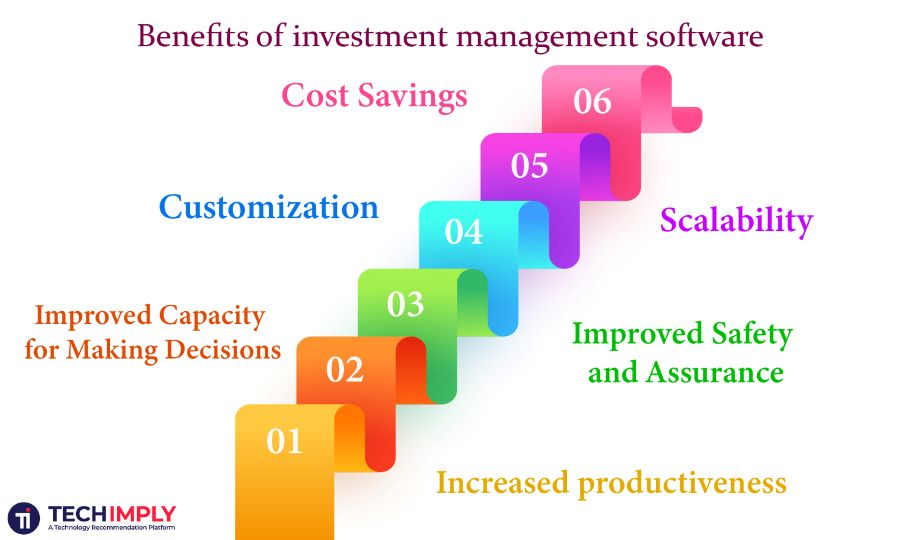
Consistent use of investment management tools provides long-term benefits for beginners, including:
- Better financial habits
- Improved decision-making
- Higher confidence in investing
- Stronger portfolio performance
- Greater financial independence
Over time, beginners who use these tools effectively can transition into more advanced investors.
Conclusion
Investment management tools for beginners are essential in today’s fast-paced financial environment. They simplify investing, reduce risk, and provide valuable insights that help new investors make informed decisions. From portfolio tracking and budgeting to robo-advisors and educational resources, these tools cover every stage of the investment journey.
For beginners, the key to successful investing is not just choosing the right investments, but also using the right tools to manage them. With patience, consistency, and the support of investment management tools, beginners can build a secure and rewarding financial future.
